August 21, 2026
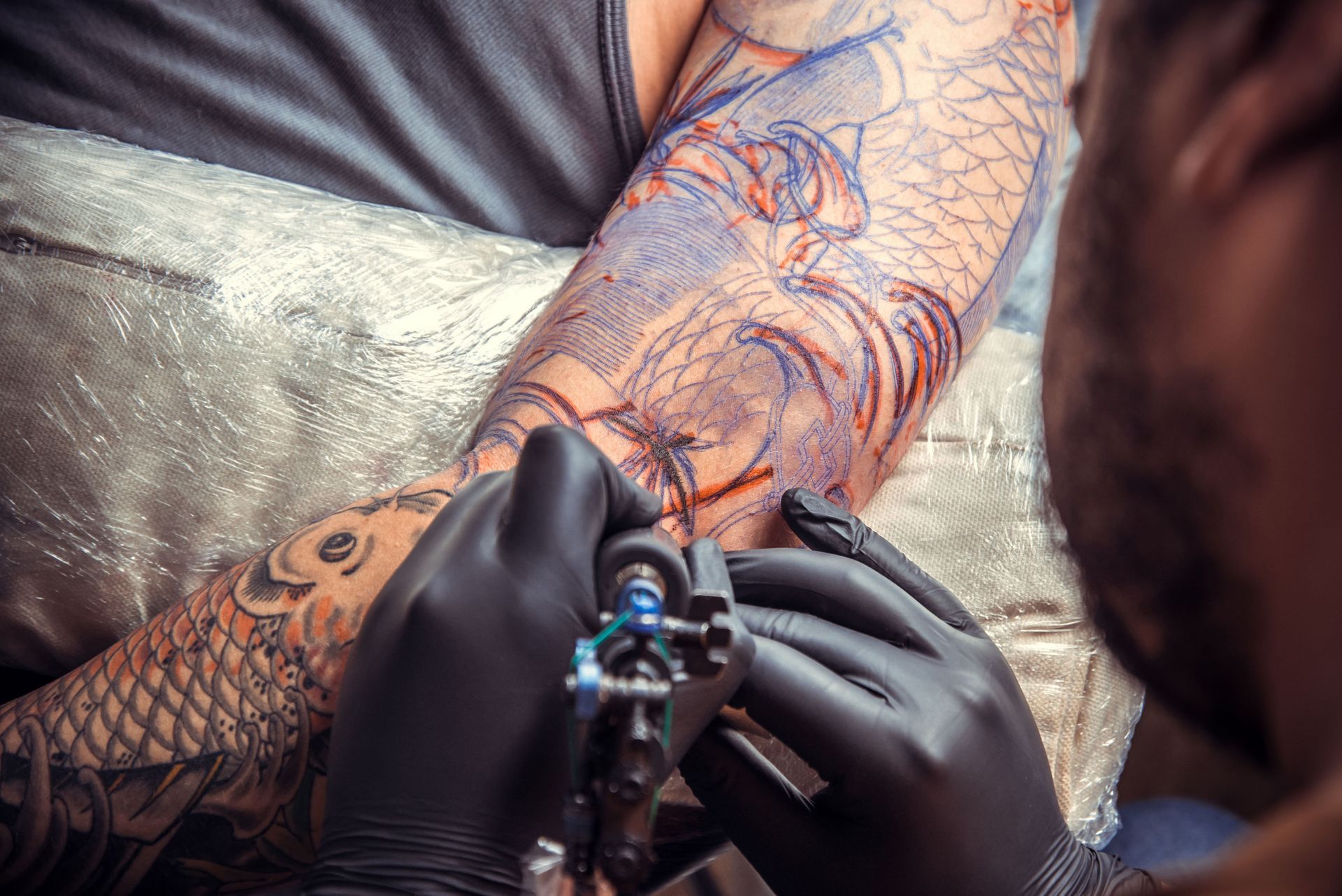
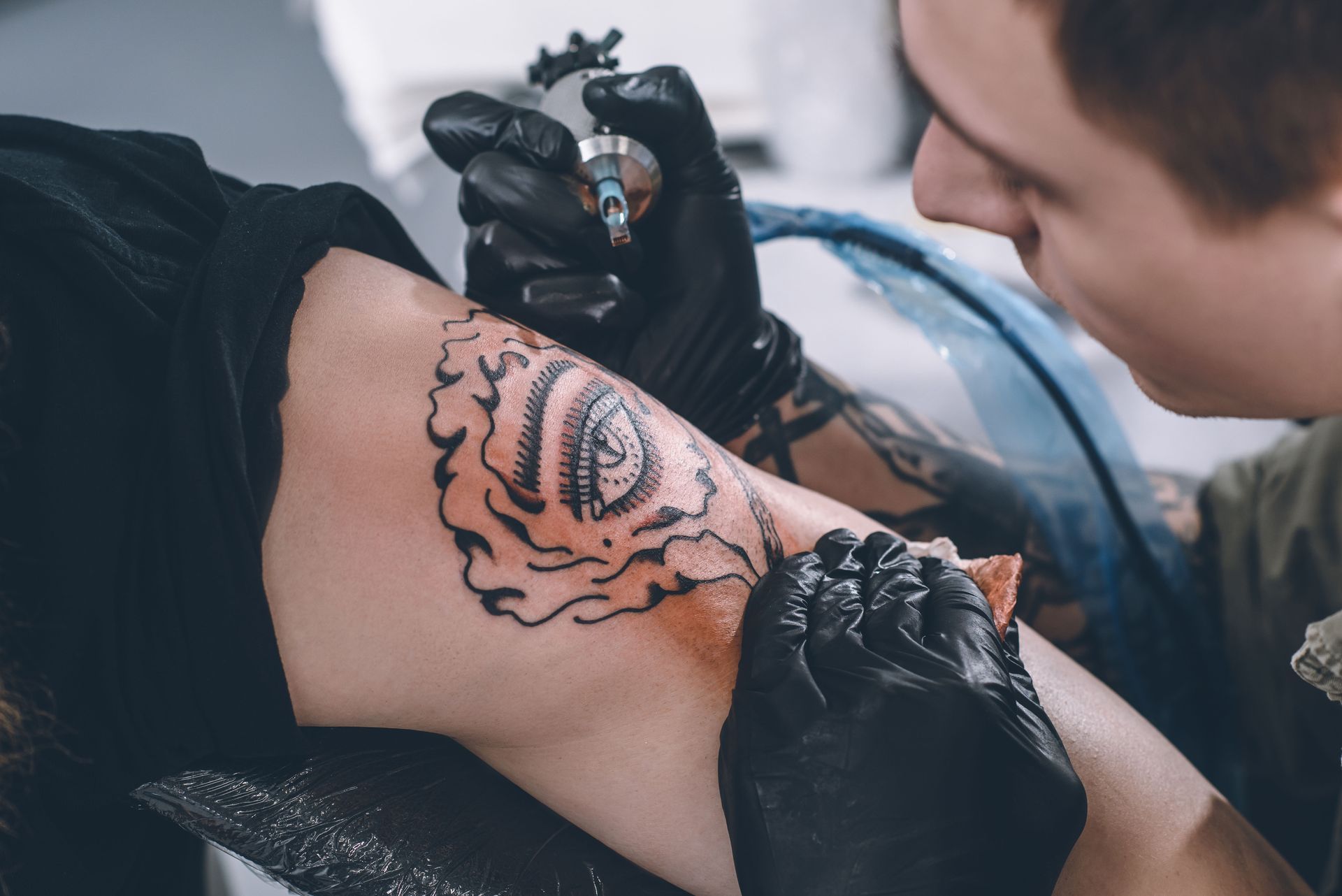
Realism tattoos are designed to look remarkably lifelike, transforming photographs, portraits, animals, objects, and other imagery into artwork that appears almost three-dimensional on the skin. While realistic linework and carefully selected details contribute to the finished appearance, shading is one of the most important components of the process. Without thoughtful shading, even a highly detailed tattoo can appear flat or disconnected from the natural contours of the body.
The best realism tattoo artists understand that creating convincing depth requires much more than simply adding dark areas to a design. They must evaluate light, contrast, texture, anatomy, skin tone, and the way ink will interact with the skin. By carefully controlling each of these variables, experienced artists can create smooth transitions that mimic the subtle variations found in real life.
According to CO:CREATE, realism tattoos rank among the top three most requested styles in 2025, comprising 25% of custom bookings. With this style continuing to attract clients who want highly detailed and lifelike artwork, understanding the craftsmanship behind realistic shading can help you appreciate what goes into creating a successful piece.
Understanding How Light Creates Realistic Depth
Realistic shading starts with an understanding of light. Before an artist begins tattooing, they need to determine where the light source is coming from within the reference image. This decision affects virtually every shadow and highlight throughout the composition.
For example, a portrait illuminated from above will have different shadows beneath the nose, cheekbones, chin, and eyebrows than a portrait illuminated from the side. If those relationships are inconsistent, the face may lose its natural structure. Skilled realism tattoo artists carefully study these relationships before translating them into ink.
This approach is particularly important for portraits. Small changes in shadow placement can dramatically affect facial proportions and expressions. Rather than treating every dark area independently, an experienced artist considers how the entire image responds to the same light source.
Building How Smooth Transitions Create Dimension
One of the defining characteristics of a high-quality realism tattoo is the gradual transition between light and dark values. Abrupt changes can make an image appear harsh, while carefully blended transitions create the softness associated with photographic imagery.
This process requires patience and precision. Too much ink in one area can make a section unnecessarily dark, while insufficient saturation can prevent the intended shadow from developing enough visual weight. Realism tattoo artists must continually evaluate the developing piece and make adjustments as they work.
Skin also behaves differently from paper or a digital screen. Tattoo ink becomes part of living tissue, meaning the artist has to account for how the tattoo will heal and settle. Experienced professionals understand that the finished appearance immediately after a session is not necessarily the final appearance of the artwork.
Controlling How Contrast Shapes the Finished Image
Contrast is another critical factor in realistic shading. Without enough contrast, a realism tattoo can look washed out or lack definition. However, excessive contrast can make the design appear overly harsh and reduce the subtle qualities that make realism so convincing.
Top realism tattoo artists use contrast strategically. The darkest values are often reserved for areas that need the greatest emphasis, such as deep creases, pupils, nostrils, hair recesses, or heavily shadowed portions of an object. Lighter areas are preserved to create highlights and maintain visual breathing room.
Contrast can also establish distance within a larger tattoo. Foreground elements may feature stronger definition and more pronounced values, while background elements can be softened. This creates depth and prevents the entire design from appearing as though it exists on a single visual plane.
Refining How Fine Details Support Realism
Details can make a realism tattoo impressive, but experienced artists know that detail should support the overall image rather than overwhelm it. Every pore, hair, wrinkle, reflection, and texture does not necessarily need to be reproduced.
Instead, realism tattoo artists prioritize the details that contribute most to recognition and depth. A few carefully positioned lines may communicate texture more effectively than dozens of unnecessary marks. Likewise, strategically placed highlights can make an eye appear glossy without requiring excessive detail.
This selective approach also helps preserve clarity as the tattoo ages. Extremely small details may naturally soften over time, so establishing strong foundational shapes, values, and contrasts is essential. When those fundamentals are sound, the tattoo can retain its recognizable structure even as some of the finer elements change.
The best realism work therefore combines restraint with precision. Artists need to know not only what to add but also what to leave open.
Balancing How Body Contours Affect Shading
Unlike a photograph, a tattoo exists on a three-dimensional surface that moves with the body. Arms, shoulders, legs, chests, and other areas have curves that can influence how a design is perceived.
Before tattooing, an artist considers the placement and how the subject will interact with the body's natural anatomy. A realistic portrait placed on a curved area requires careful planning to ensure that the features remain visually balanced when the body moves.
Shading can help reinforce these contours. By placing darker values strategically, an artist can make a subject appear to wrap naturally around the body instead of looking like a flat image that was simply transferred onto the skin.
This is one reason consultation and design planning are valuable parts of the tattoo process. A strong realism artist considers not just the reference image but also the canvas on which that image will ultimately exist.
Perfecting How Patience Improves Realistic Results
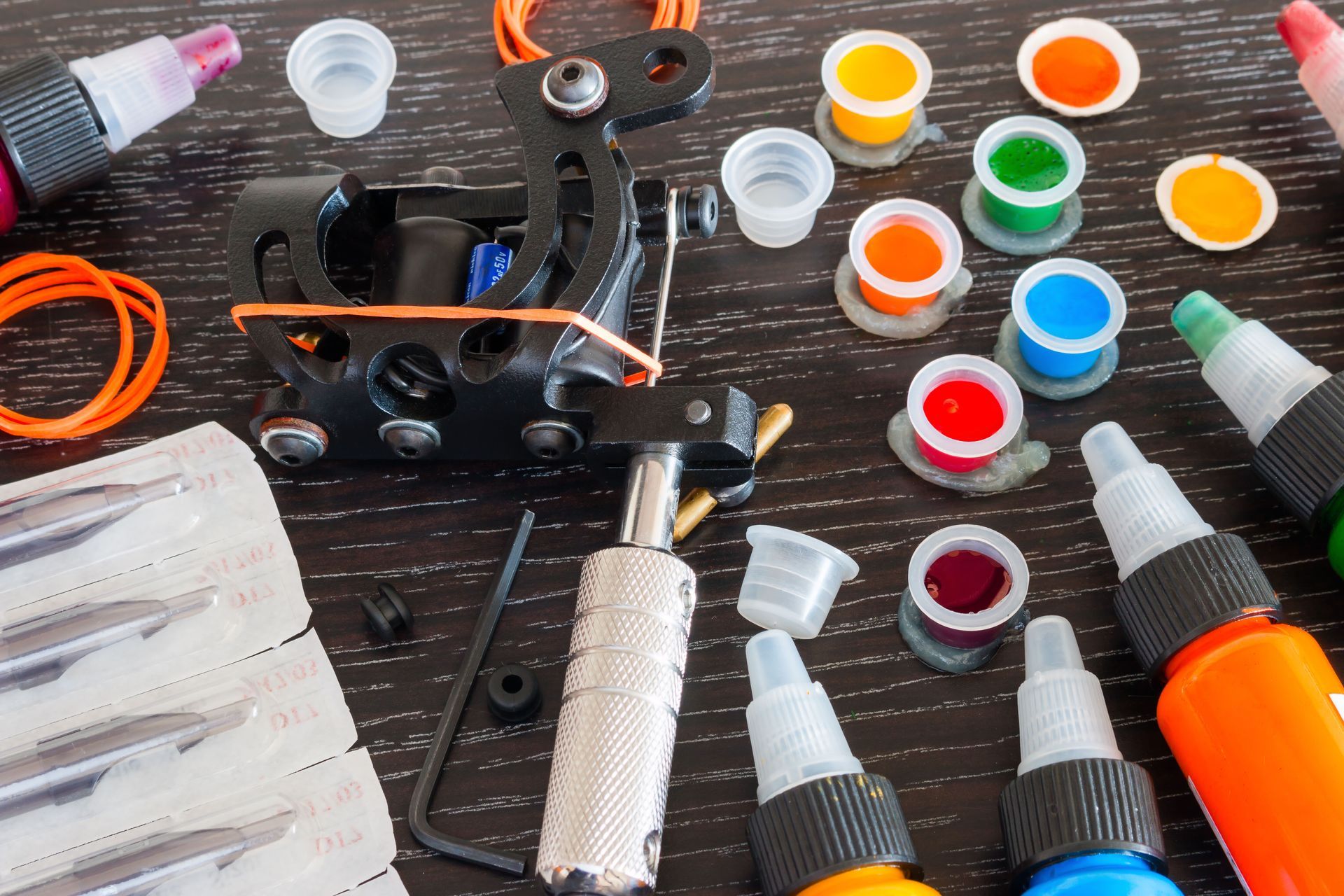
Mastering realistic shading takes extensive practice, observation, and technical development. Artists need to understand their equipment, needle configurations, ink behavior, skin response, and personal techniques while simultaneously developing their artistic eye.
Experience allows an artist to make decisions quickly without sacrificing precision. Rather than mechanically following a predetermined formula, experienced realism tattoo artists can adapt their technique as the tattoo develops.
At Family Business Tattoo San Diego, the realism team brings extensive experience to lifelike tattoo work, including black and gray realism and color realism. The studio highlights its focus on detailed, realistic designs and offers a client-focused environment where artists work with clients to develop personalized pieces. Its artist lineup also includes Yasser Urbina, who specializes in black and gray realism, mixed media, and illustrative color.
Ultimately, realistic shading is a combination of artistic judgment and technical execution. The artist must understand how to create depth, control contrast, preserve highlights, represent texture, and work with the natural shape of the body.
Creating How Professional Shading Brings Tattoos to Life
The difference between a basic tattoo and a convincing realism piece often comes down to how successfully the artist manages values and transitions. Realistic shading creates the foundation for dimension, while texture, detail, contrast, and composition reinforce that illusion.
The most accomplished realism tattoo artists understand that every shadow has a purpose. They study how light interacts with surfaces, determine where contrast is necessary, and use subtle tonal changes to make images appear tangible. They also recognize that the client's skin and body contours are integral parts of the final composition.
Whether you are considering a realistic portrait, animal, memorial design, nature scene, or another custom concept, choosing an artist with demonstrated realism experience can make a significant difference in the finished result. A carefully planned design and technically skilled execution can transform a reference image into artwork that feels remarkably alive.
If you are ready to explore a realistic tattoo in the San Diego area, Family Business Tattoo San Diego provides a welcoming environment for discussing your ideas and developing a personalized piece. Contact our team today!